
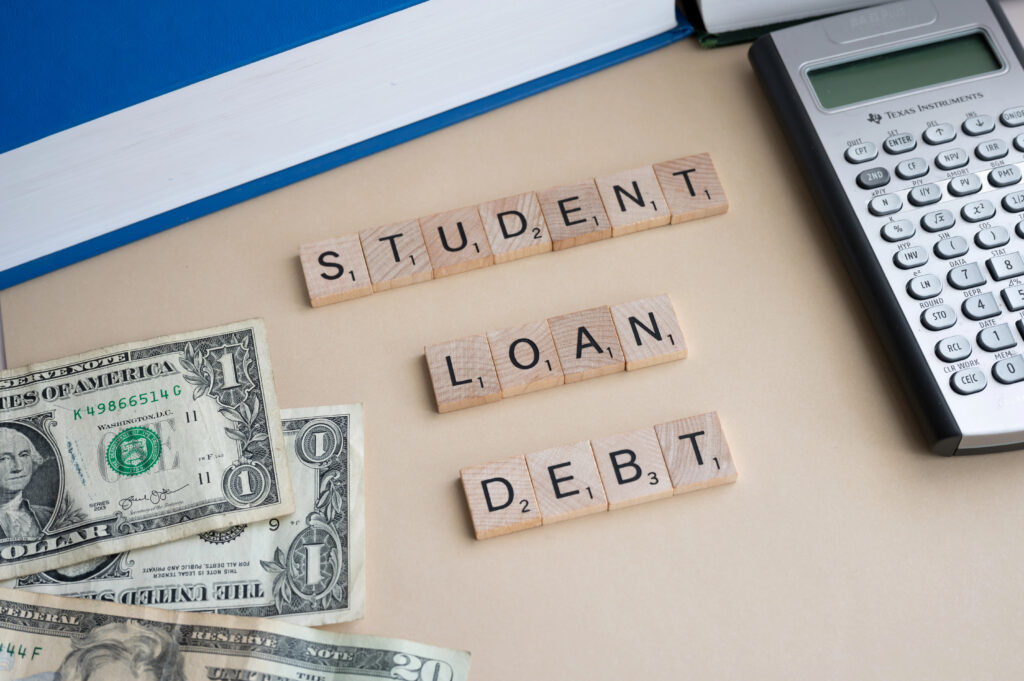
Borrowers, who have defaulted on the federal student loans, received a temporary reprieve recently with a decision to delay collections activities.
On January 16, the U.S. Department of Education (the Department) announced that it will delay the implementation of involuntary collections on federal student loans, including Administrative Wage Garnishment (AWG) and the Treasury Offset Program (TOP).
According to the Department, the temporary delay will enable the implementation of “major student loan repayment reforms under the Working Families Tax Cuts Act (the Act).”
The Department said the reforms will give borrowers more options to repay their loans, including “simplifying repayment options and providing an additional opportunity for borrowers to rehabilitate their federal student loans.”
The Act reduces the number of federal student loan repayment plans, which the Department said makes it easier for borrowers to select either a single standard repayment plan or income-driven repayment (IDR) plan that best meets their needs, including a new IDR plan that waives unpaid interest for borrowers with on-time payments whose payments do not fully cover accrued interest, and that includes small matching payments from the Department in certain circumstances to ensure that outstanding principal is reduced each month. The plan will be available for borrowers beginning July 1, 2026.
According to the Department, the delay in collections will give defaulted borrowers additional time to evaluate these new repayment options once they consolidate their loans or complete a repayment or rehabilitation agreement.
The Act also gives borrowers a second chance to rehabilitate a defaulted loan, the Department said, allowing them to get their repayments back on track and get the loan out of default. Prior to passage of the Act, the law only permitted borrowers a single rehabilitation opportunity. The delay in collections will give defaulted borrowers additional time to begin the rehabilitation process, including the ability to rehabilitate their loan a second time.
During the delay, the Department encourages borrowers in default to explore their options for resolving their defaulted student loans with the defaulted federal loan servicer. The Department reports student loan defaults to credit reporting agencies, which may adversely impact borrower credit reports.